Why go by yacht
Most people see Coron from a shared bangka. It leaves the port around 8 AM, visits the same lakes as forty other boats, and is back by late afternoon. That works, but it fixes two things you might want to change: when you arrive at each stop, and where you are when the sun goes down.
A crewed sailing yacht changes both. It can be at Kayangan Lake before the day boats, and it does not have to go home at night. It anchors in a quiet bay, the crew grills dinner, and you wake up already at the next island. Coyote Way runs five set routes this way out of Coron, from a single day to a full week.
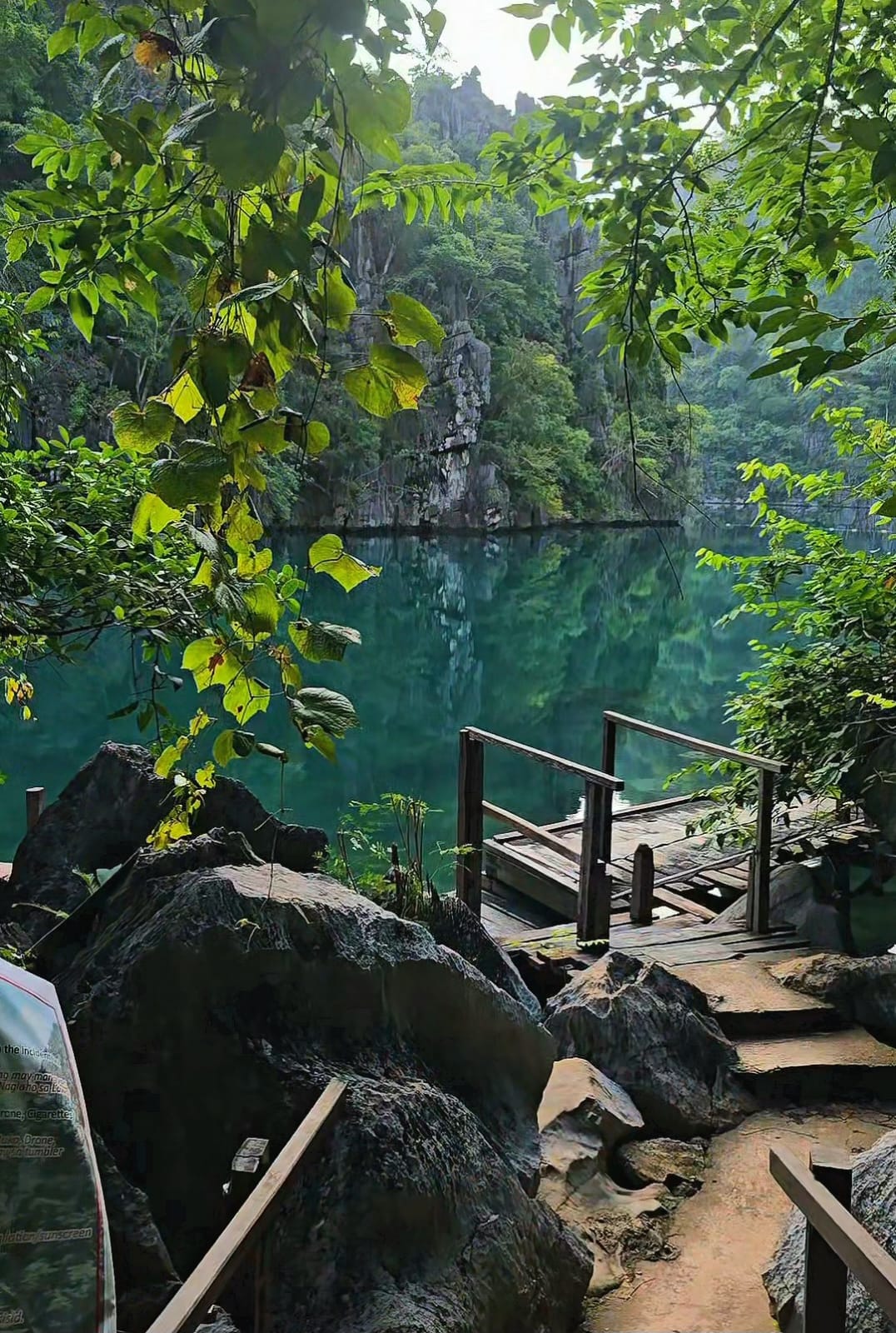
One day: Coron Express
The short version, for anyone with a single free day. The yacht leaves at about 9 AM and takes in Kayangan Lake, Barracuda Lake and Twin Lagoon, with a grilled seafood lunch on board between stops. The order is chosen to miss the busiest hour at each place. The day ends with the sails up and a slow run back to town at sunset, arriving around 6 PM.
Two days: a night at Diatayan
Day one covers Kayangan Lake and Twin Lagoon in the morning. During lunch the yacht turns west around Culion, a passage of two and a half to three hours, and anchors off Diatayan, an uninhabited island with white sand and coconut palms. Dinner is a barbecue on the stern or beside a fire on the beach.
Day two is slower: snorkelling at Pass Island or a stop at Culion for its old Spanish fort and church, then Skeleton Wreck, a Japanese ship lying shallow enough to see with a mask, on the way home.
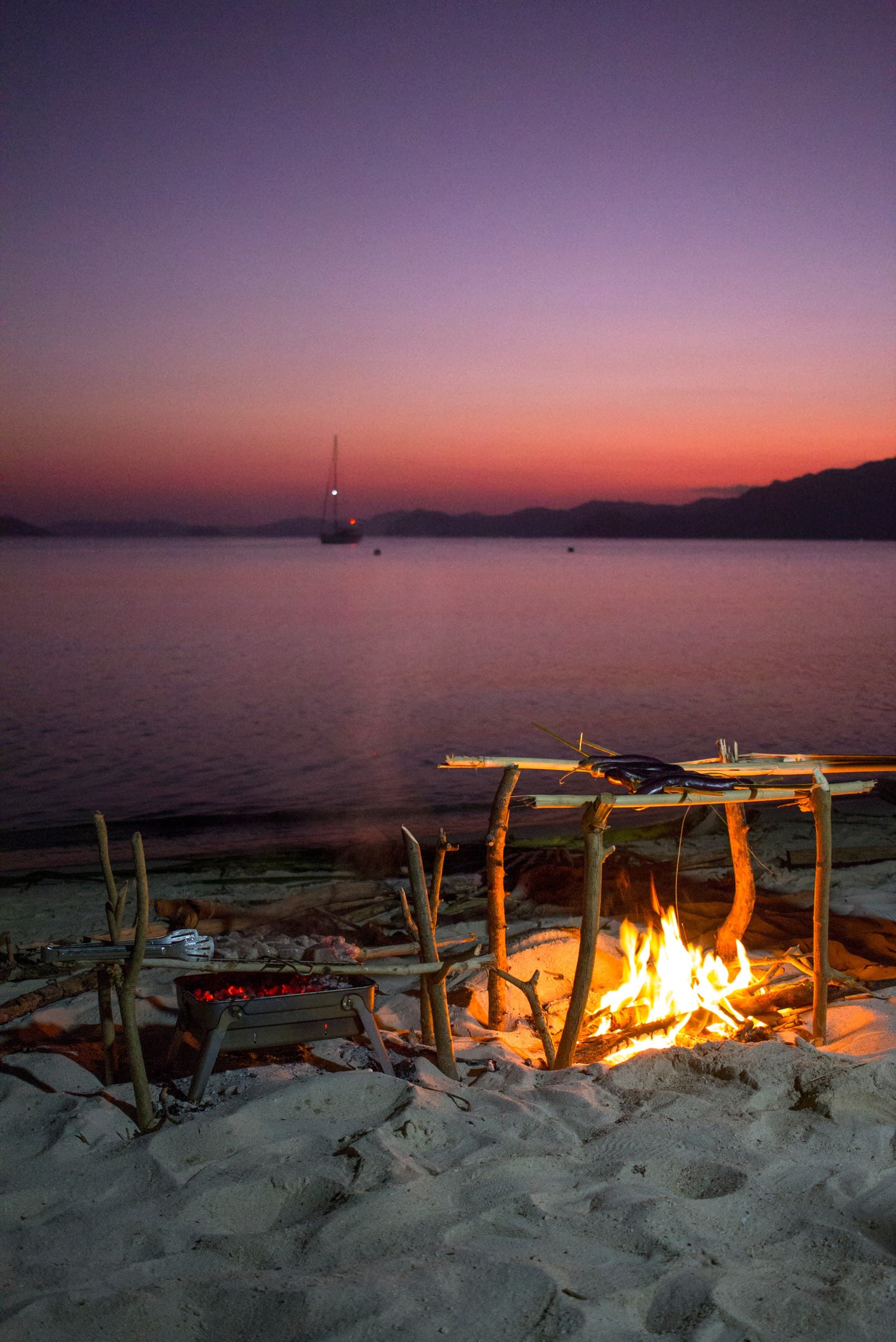
Four days: around Busuanga
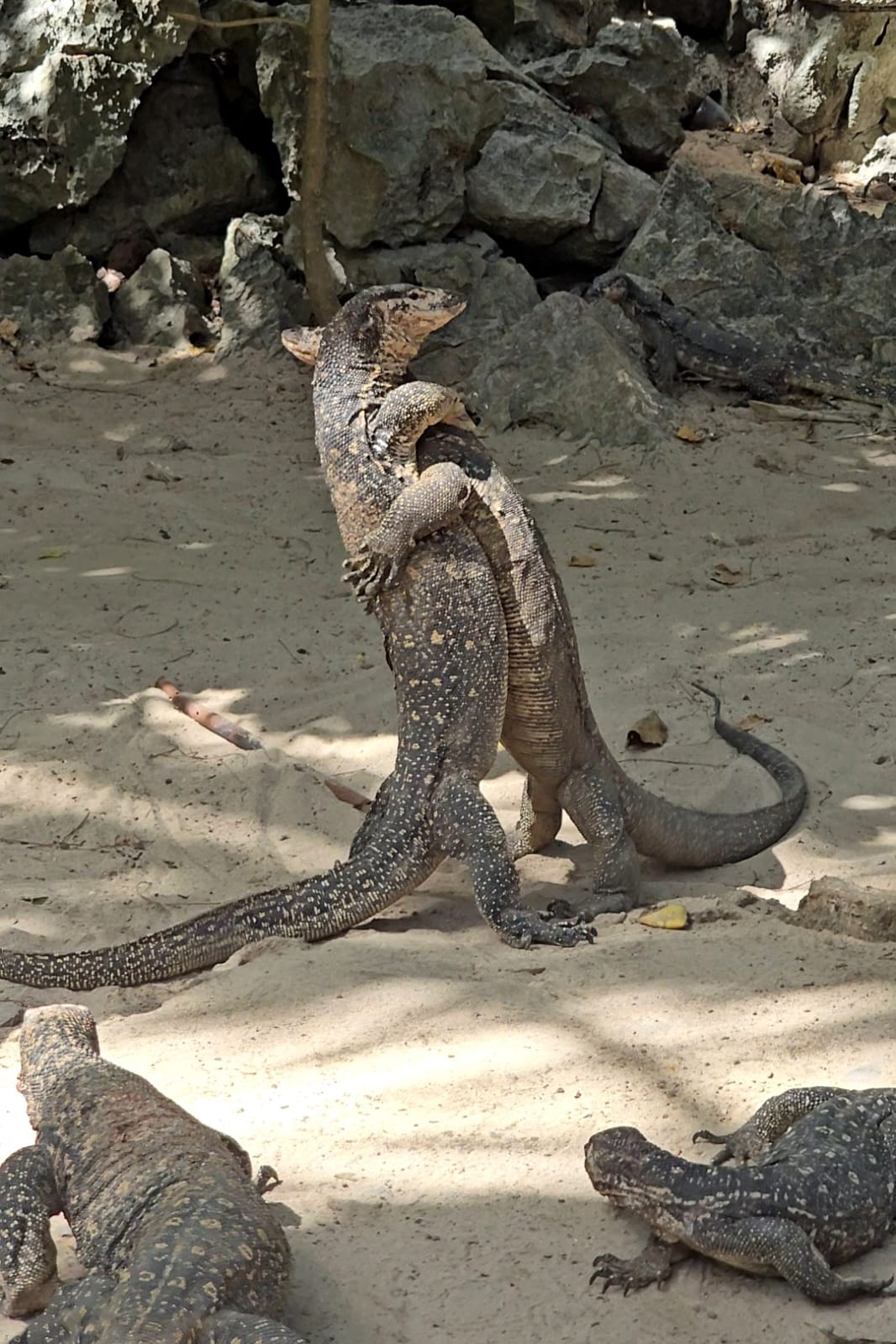
This loop adds the places a day trip cannot reach. After the Coron Island lakes and a night at Diatayan, the yacht sails to Malajon, better known as Black Island. Black limestone cliffs stand over a white beach where monitor lizards walk about, and there are caves and a freshwater pool in the rock. A sunken Japanese ship lies about 5 metres down just offshore.
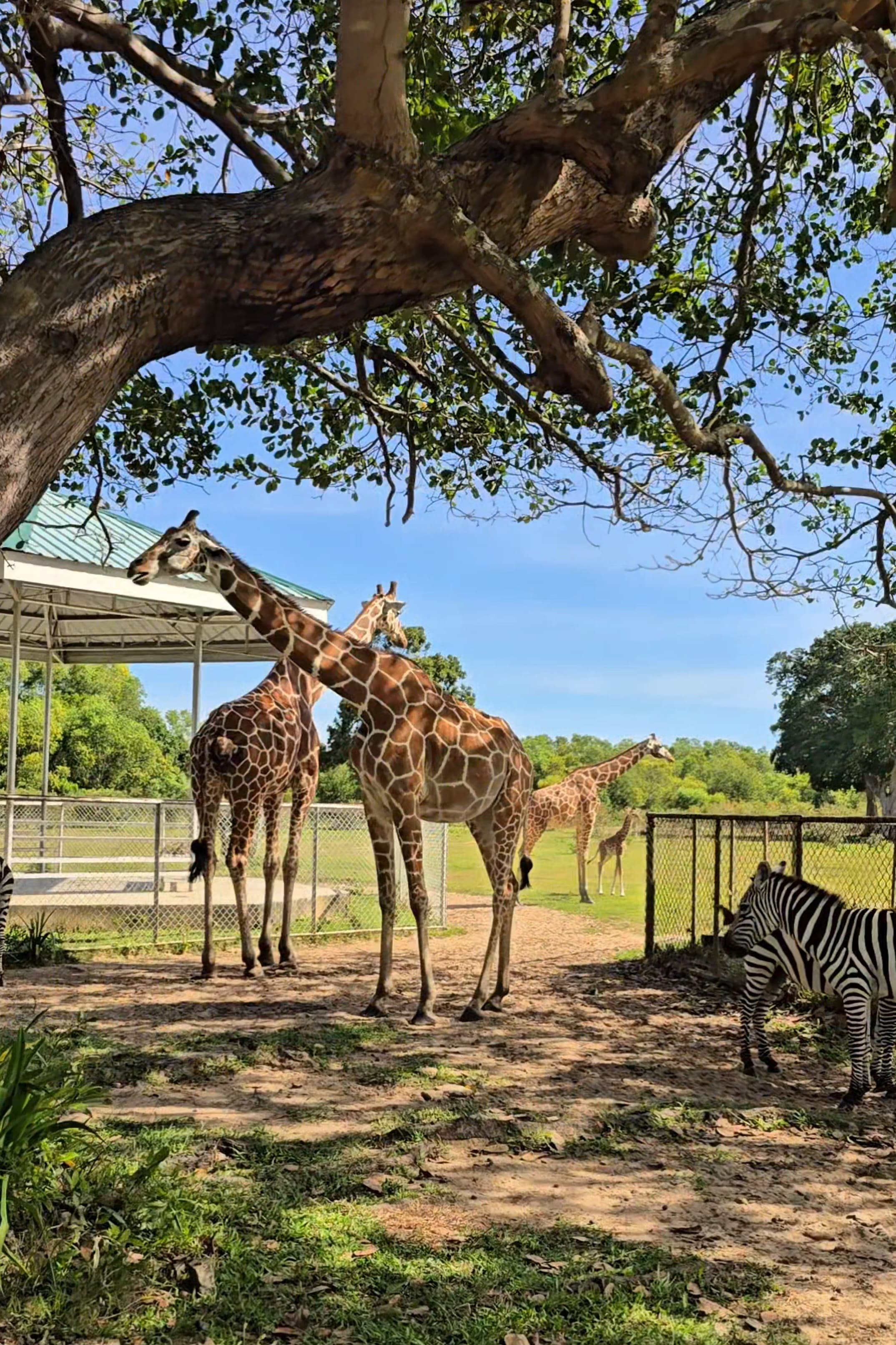
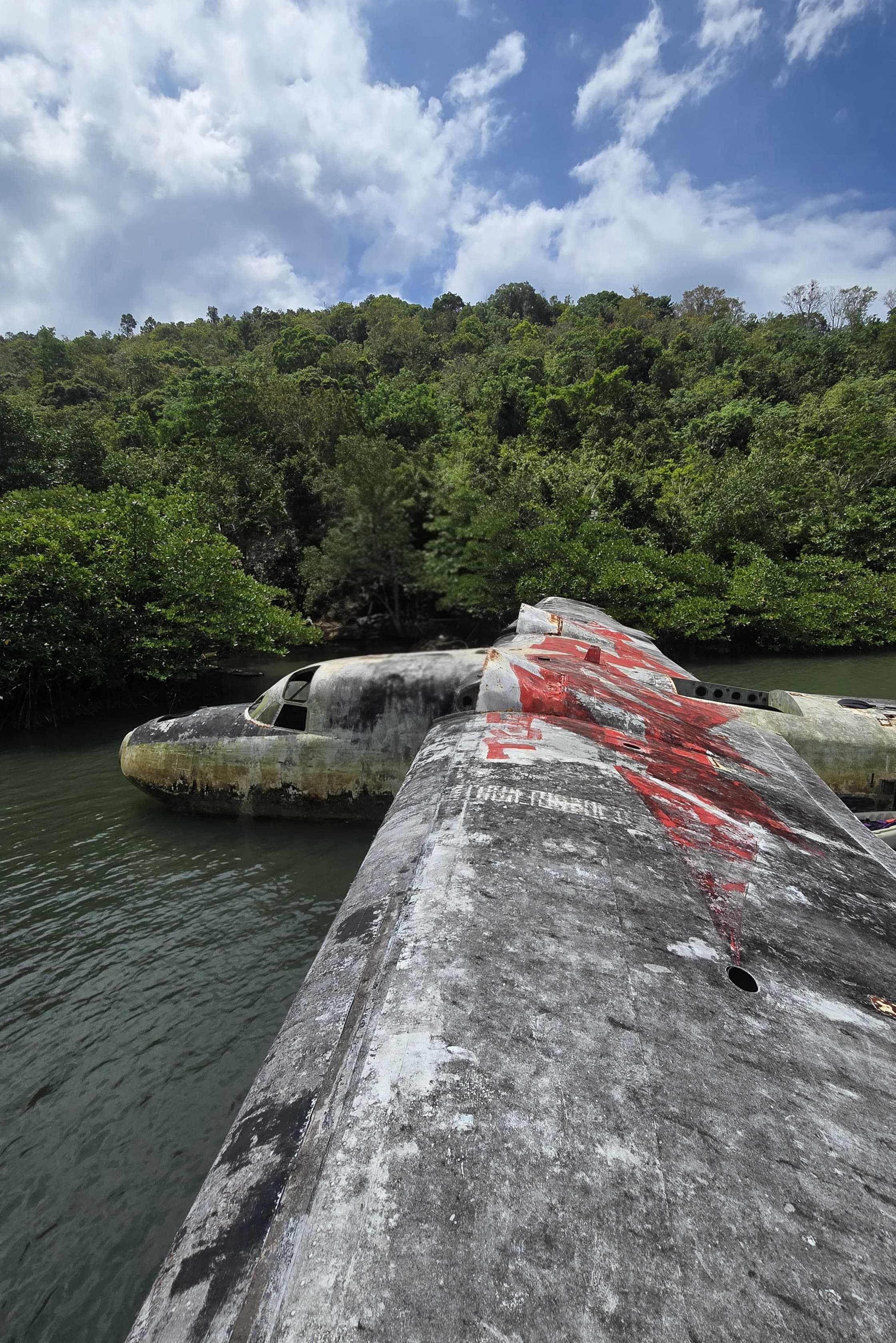
The last day is on land and river. Calauit Island is a safari park where giraffes and zebras roam, and you can feed a giraffe by hand. From the lagoon at Marina del Sol you kayak out to a crashed military plane resting at the edge of the mangroves, then take a motorboat up a winding jungle river.
Seven days: Coron to El Nido
The long route is one-way. The first three days follow the Busuanga loop: the lakes, Diatayan, Black Island. On day four the yacht makes one of its longest passages, south to Linapacan, where the water is famously clear and tourist boats are rare. Two days there go to snorkelling with turtles and rays and picnics on empty beaches.
Day six is the arrival. The yacht tacks between the cliffs of Cadlao and Miniloc into Bacuit Bay, visits Big Lagoon or Small Lagoon by tender or kayak, and anchors off Corong-Corong for the sunset. The trip ends the next morning in El Nido, a short drive from Lio Airport, which saves you the ferry back.
Four days: Apo Reef
This one is for divers, freedivers and strong snorkellers. Apo Reef is the largest coral reef in the Philippines, out in the Mindoro Strait, and getting there is a real open-sea passage with fishing lines out for tuna, mahi-mahi and wahoo. The reef wall drops straight down beside the anchored yacht.
Over two full days you snorkel with reef sharks and turtles in the early morning, look for manta rays along the walls, and go ashore on Apo Island to walk the mangrove boardwalk and climb the old lighthouse. The return leg stops at Tara Island for a swim.
Life on board
The yacht has a saloon with a dining table and galley, a master cabin, guest cabins with double and bunk beds, and a bathroom. Meals are cooked on board, mostly grilled seafood, with fresh fruit carried in a net on deck. There is a tender for going ashore and kayaks for the lagoons.

Which route for whom
- One free day: Coron Express
- Couples and anyone who wants a beach to themselves: the two-day route with a night at Diatayan
- Families with children: the four-day Busuanga loop, for the giraffes and the plane wreck
- Travelling on to El Nido anyway: the seven-day crossing
- Divers and strong snorkellers: Apo Reef
Practical notes
- Every route starts in Coron. Only the seven-day route ends somewhere else, in El Nido.
- The dry season, November to May, has the calmest sea. Open-water passages such as Apo Reef and Linapacan depend on the weather more than the lake stops do.
- Prices depend on the route and the size of your group, so ask when you book.
- Bring reef-safe sunscreen, water shoes for the lake stairs and rocks, and a dry bag.
